
Learning the 118 elements is a cornerstone of science education. Our project explored an interactive alternative to static materials, while addressing the costs and technical barriers associated with classroom VR.
← Back to selected work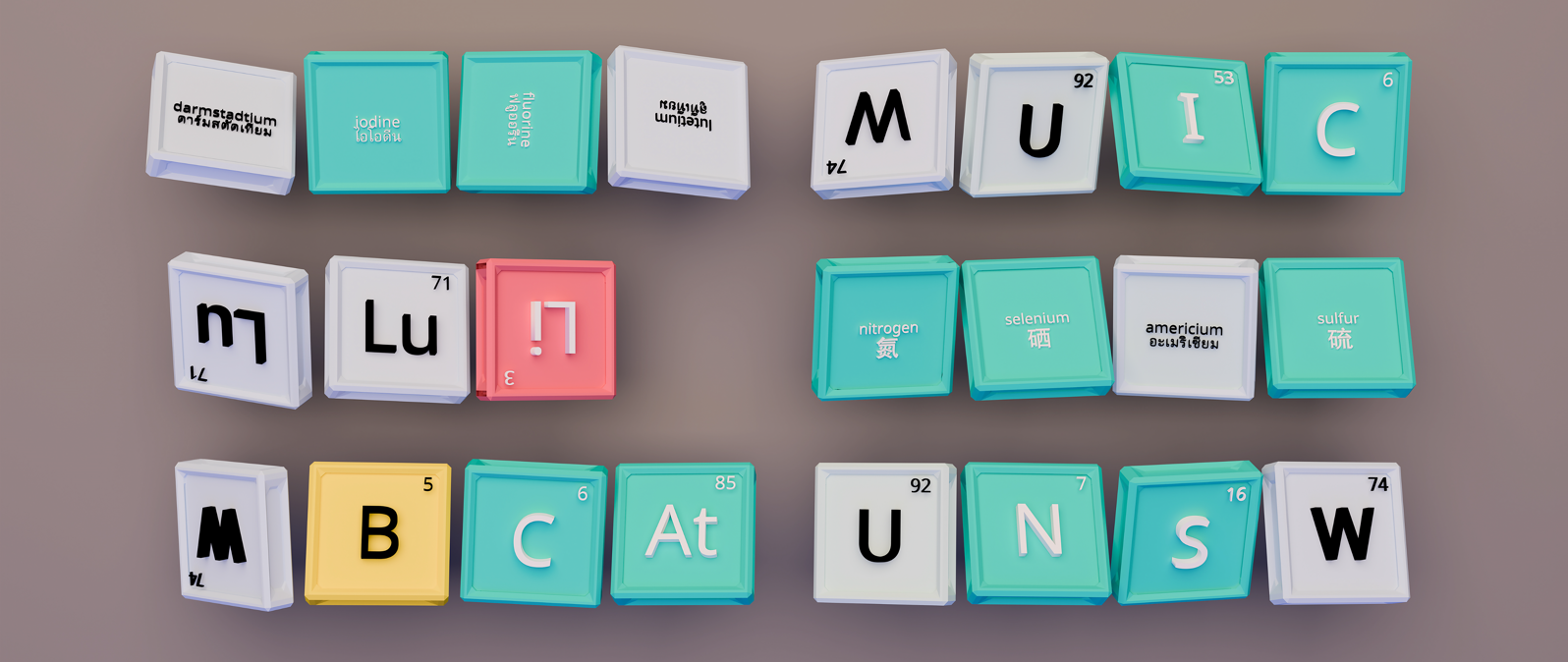
Research & immersive learning / 2025
The Virtual Periodic Table
Bringing chemistry into a browser-based VR playground, through an open-source 3D workflow.
Published · Molecular Catalysis, 2025
The 30-second version
A quick look.
- Problem: cost and technical barriers can make immersive classroom resources difficult to adopt.
- My contribution: worked on automated 3D generation, scripting, optimisation, and the publication manuscript.
- Outcome: an open-source VR educational resource and a peer-reviewed journal article.
- My role
- Research assistant · co-author
- Timeline
- July 2024–July 2025
- Methods
- Automated 3D generation, prototype scripting, mesh optimisation
- Tools
- Python, Blender, Node.js, MolecularWebXR
Start with the highlights. Go deeper where you’re curious.
Context
Make the periodic table something you can explore.
We developed an open-source educational resource that brings periodic-table elements into an immersive environment.
Read the details
My contribution
Build a workflow people can reuse.
I contributed to the research and development of automated 3D models and the publication that followed.
Read the details
As a research assistant and co-author at Mahidol University, I worked on automated 3D-model generation and advised on Blender and 3D-printing analysis. My contributions included prototype scripting, mesh optimisation, Python troubleshooting, and editing the final publication manuscript.
Process
From scripts to spatial learning.
Python-generated models, cleaner meshes, web deployment, and printable alternatives form the pipeline.
Read the details
Algorithmic generation: Python scripts in Blender generated customisable element blocks in ten languages.
Optimisation: text-to-mesh topology caused shading artefacts. Simpler vector typefaces helped create more consistent geometry for VR.
Automated deployment: Puppeteer in Node.js automated web interactions for file upload and glTF conversion, passing the results into MolecularWebXR.
Physical accessibility: I advised on translating models into STL files for 3D printing, offering tactile alternatives for visually impaired students and classrooms without VR hardware.
Outcome
An open resource, and a published method.
The browser-based resource lets learners manipulate element blocks, and the workflow is documented in a peer-reviewed paper.
Read the details
MolecularWebXR hosts the free resource, accessible through a browser without registration or installation. Students can grab, resize, and arrange element blocks, including for multiplayer word-building activities.
The project was published in Molecular Catalysis, volume 585, article 115326 (2025), by N. Komalawardhana, N. Euaumpon, Z. Song, and T. Limpanuparb. The open-source workflow provides a starting point for educators and researchers building related resources.
Thank you for reading this far.
Something else I’ve been working on…
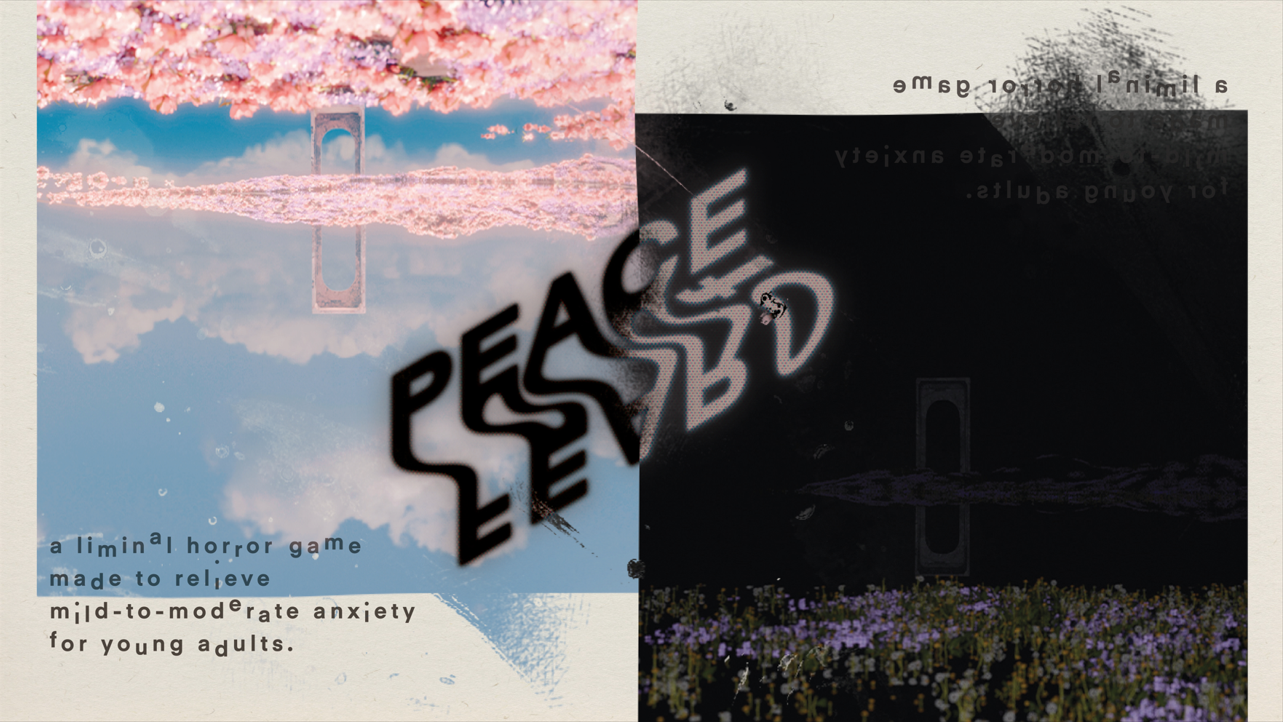 Peace of FearExploring fear, atmosphere, and active relaxation through a liminal-horror game concept.Read the case study ↗